In 15 Best Replies to “You’re Mine”: Flirty, Cute and Romantic, you’ll find ways to answer with warmth, confidence, and playful charm. When your romantic partner or someone special says “You’re mine,” the meaning depends on the context, setting, tone of voice, and relationship dynamics.
It may be a playful claim that shows affection, attraction, chemistry, and intimacy. Sometimes, this phrase expresses a shared connection or creates romantic tension between two people. Their words can bring excitement and turn an ordinary moment into a fun flirtatious conversation.
Notice how the phrase is delivered and consider the person’s underlying intent before choosing a response. A loving tone often suggests affection, while an uncomfortable tone may carry a different message. Understanding the situation helps you respond naturally.
In my experience, the best reply feels natural, not rehearsed. A flirty answer can keep playful flirting alive during date nights or everyday moments. You can tease your partner, return their affection, or choose a sweet response that makes them smile.
However, your comfort matters just as much as romance. Healthy relationship communication requires respect and personal boundaries. If the phrase sounds possessive or controlling, or suggests ownership, express your feelings clearly. You should never feel pressured to accept words that make you uncomfortable.
Good partner communication protects your emotional connection and builds trust. Choose playful responses, romantic replies, or a confident answer that matches your feelings. Your words should add warmth, strengthen your connection, and make the conversation enjoyable without creating pressure.
Quick Answer
Some of the best replies to “You’re mine” include “Only if you’re mine too,” “I like the sound of that,” “You’ve got my heart,” “Are you sure you can handle me?” and “I belong to myself, but I choose you.” Each response communicates a different feeling, from romantic interest to playful confidence and personal boundaries.
Let’s explore 15 thoughtful replies, what they mean, and when you should use them.
What Does “You’re Mine” Mean?
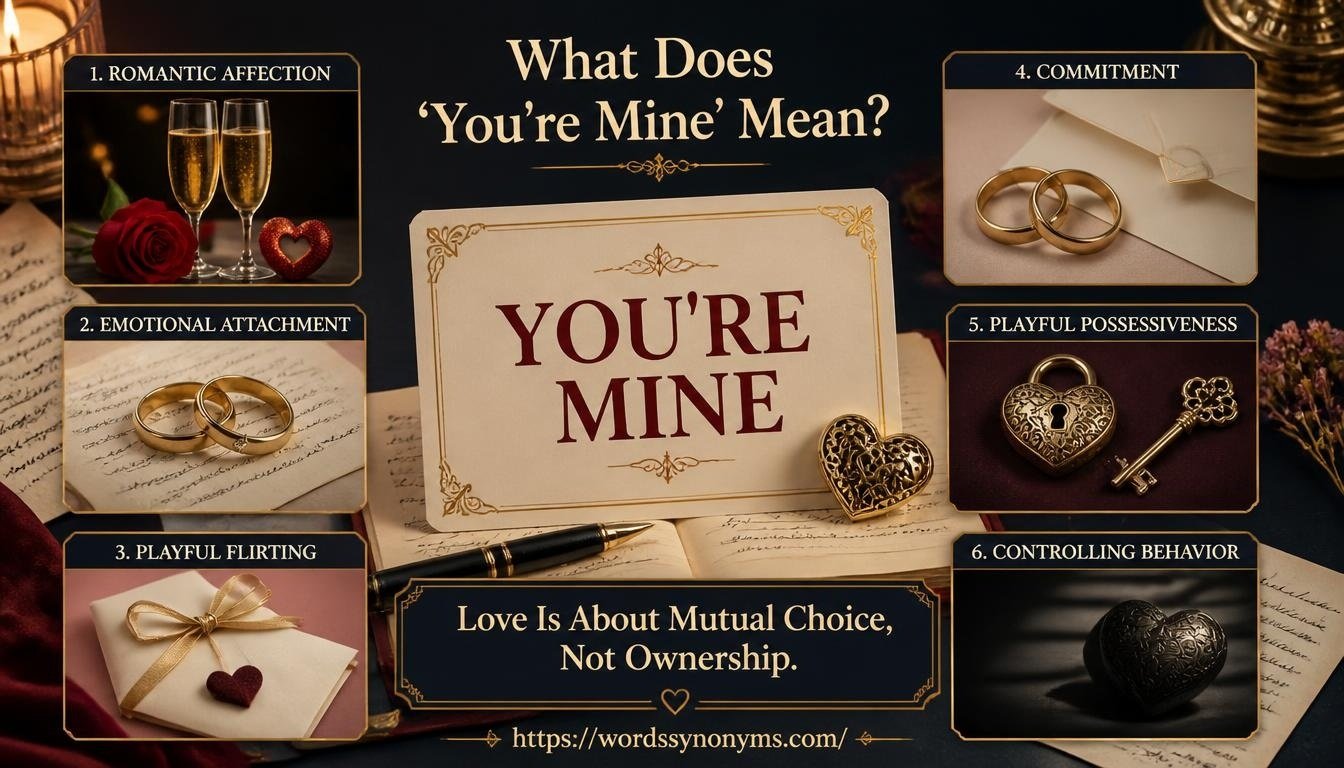
The phrase “You’re mine” can carry several meanings depending on who’s saying it and how they say it. In a romantic conversation, it often expresses affection, attraction, emotional attachment, or a desire for exclusivity.
For example, imagine your boyfriend pulls you closer and whispers, “You’re mine.” He might simply mean that he loves you and feels lucky to have you in his life. In another situation, your crush might send the same words through a text message to see whether you’ll flirt back.
However, the phrase doesn’t always communicate affection. Sometimes people use possessive language to express jealousy or control. That’s why context matters more than the words themselves.
Here are some common meanings behind “You’re mine”:
- Romantic affection: Someone wants to express how much they love you.
- Emotional attachment: They feel closely connected to you and value your relationship.
- Flirting: They’re teasing you or testing your romantic interest.
- Commitment: They want an exclusive relationship and mutual loyalty.
- Playful possessiveness: They’re jokingly expressing that you’re special to them.
- Controlling behavior: They might believe they have the right to decide what you do or whom you see.
The difference often becomes clear through behavior. Someone who genuinely cares about you respects your decisions, friendships, privacy, and independence.
Remember, love involves mutual choice rather than ownership. You can enjoy affectionate language without giving up your individuality.
15 Best Replies to “You’re Mine”
Finding the perfect response doesn’t require a complicated sentence. Sometimes a few well-chosen words can communicate affection, confidence, or humor.
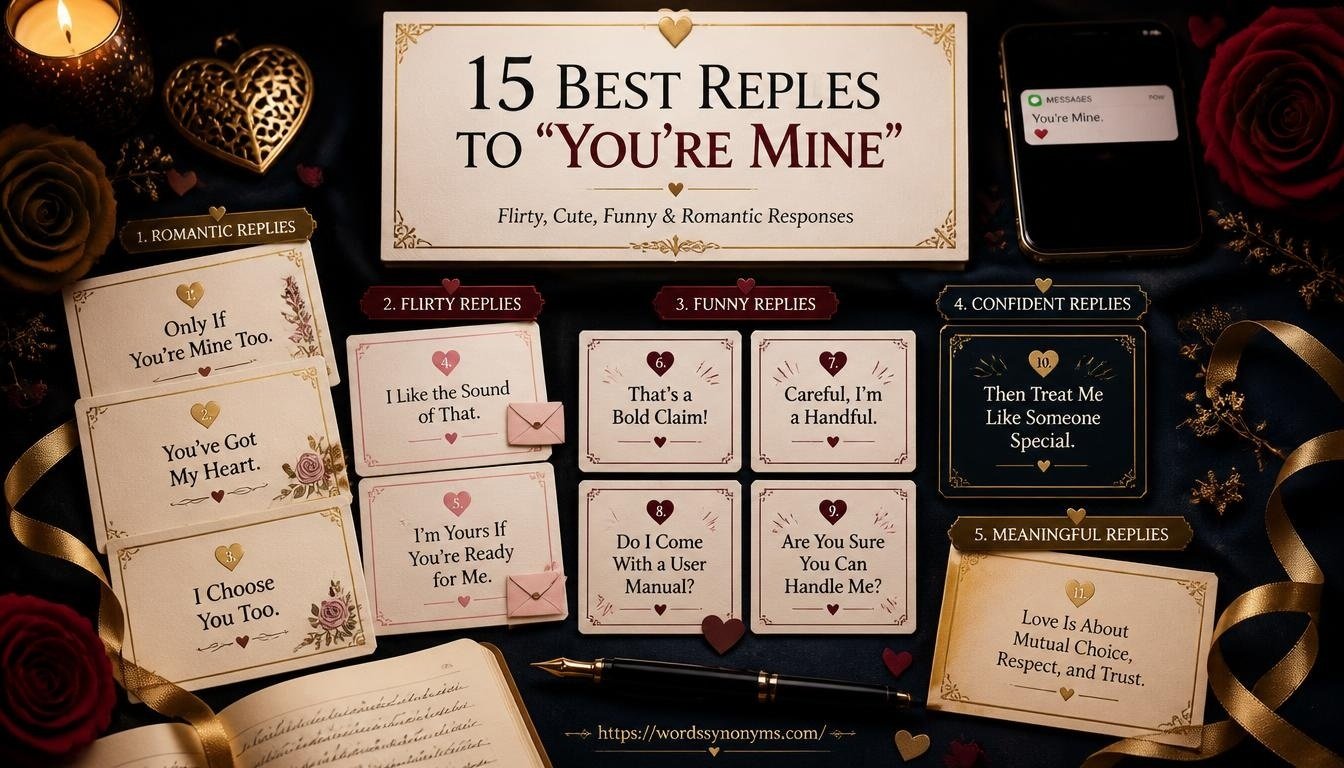
Below are 15 replies to “You’re mine” for different relationships, personalities, and situations. Each includes its meaning and a practical example to help you use it naturally.
“Only If You’re Mine Too.”
This response is perfect when you want to return someone’s romantic energy. It communicates mutual affection while keeping the conversation playful.
Instead of simply accepting the statement, you’re reminding the other person that relationships work both ways. You want them just as much as they want you.
It’s especially suitable for established couples or people who already share romantic feelings. You can also use it when your crush makes a confident move and you want to show interest.
Example conversation:
Them: You’re mine.
You: Only if you’re mine too.
Them: Deal. I wouldn’t have it any other way.
Why this reply works: It sounds affectionate without becoming overly serious. It also introduces the idea of mutual commitment.
Best for: Boyfriends, girlfriends, romantic partners, and someone you’re comfortable flirting with.
“Then Treat Me Like Someone Special.”
Sometimes a romantic statement deserves a response that communicates your expectations. This sentence does exactly that.
It acknowledges the affection behind “You’re mine” while reminding the other person that words should come with meaningful actions. Being someone’s partner should involve kindness, respect, honesty, and attention.
You can use this response when someone expresses strong feelings but hasn’t consistently shown them through behavior. It isn’t necessarily confrontational. Instead, it encourages a healthier understanding of affection.
Example conversation:
Them: You’re mine, sweetheart.
You: Then treat me like someone special.
Them: You deserve nothing less.
Why this reply works: It connects romantic language with real behavior. It also communicates that affection should never become an excuse for disrespect.
Best for: Romantic relationships where you want to express your expectations clearly.
“I Like the Sound of That.”
Want to flirt without making the conversation too serious? This response strikes a lovely balance.
It tells the other person that their words made you smile. You aren’t making a major commitment or giving an elaborate romantic speech. You’re simply showing that you enjoyed the attention.
This reply works particularly well when you’re getting to know someone. It leaves enough room for the conversation to develop naturally.
Example conversation:
Them: You’re mine.
You: I like the sound of that.
Them: Should I say it again?
You: Maybe. I wasn’t paying enough attention.
Why this reply works: It’s relaxed, charming, and slightly teasing. It also encourages the other person to continue flirting.
Best for: Crushes, early dating conversations, and playful romantic exchanges.
“You’ve Got My Heart.”
Some moments call for something more meaningful than a clever comeback. If you’re deeply attached to someone, this response communicates genuine affection.
Having someone’s heart suggests emotional trust, closeness, and romantic connection. It tells them that their presence matters beyond occasional flirting or sweet messages.
However, this response works best when you already share a meaningful relationship. Using it too early might communicate stronger feelings than you intend.
Example conversation:
Them: You’re mine, my love.
You: You’ve got my heart.
Them: And I’ll always take care of it.
Why this reply works: It replaces playful possessiveness with emotional connection. It feels sincere without sounding unnecessarily complicated.
Best for: Long-term partners, serious relationships, anniversaries, and intimate conversations.
“I’m Yours If You’re Ready for Me.”
Confidence can make flirting much more interesting. This response shows romantic interest while adding a little personality.
You’re essentially telling the other person that you’re interested but aren’t pretending to be someone else. You have your own habits, opinions, ambitions, and quirks.
The phrase also creates an opportunity for playful conversation. Someone might respond by confidently accepting the challenge or joking about your personality.
Example conversation:
Them: You’re mine.
You: I’m yours if you’re ready for me.
Them: I think I can handle that.
You: Let’s see whether you can keep up!
Why this reply works: It combines affection with self-confidence. You’re showing interest without making yourself seem desperate for approval.
Best for: Confident personalities, established crushes, and playful dating conversations.
“That’s a Bold Claim!”
A little teasing can make an ordinary exchange much more entertaining. This response challenges the other person’s statement without immediately rejecting their affection.
It works particularly well when someone uses “You’re mine” jokingly or tries to sound confident. Instead of responding with another serious romantic statement, you turn the moment into playful banter.
Your delivery matters, though. A smiling tone or laughing emoji can make the difference between playful teasing and genuine disagreement.
Example conversation:
Them: You’re mine.
You: That’s a bold claim!
Them: And I stand by it.
You: Confidence looks good on you.
Why this reply works: It keeps the conversation light and gives the other person an opening for another witty response.
Best for: Flirting, teasing, and conversations with someone who enjoys humor.
“Careful, I’m a Handful.”
If you enjoy making people laugh, this response deserves a place in your collection. It’s playful, confident, and slightly mischievous.
Calling yourself a handful suggests that you have a lively personality. You might be energetic, stubborn, adventurous, outspoken, or simply full of surprises.
The response doesn’t mean you’re difficult to love. Instead, it communicates that you’re an individual with plenty of personality.
Example conversation:
Them: You’re mine.
You: Careful, I’m a handful.
Them: I like a little adventure.
You: Then buckle up!
Why this reply works: It turns a romantic statement into an amusing exchange. It also shows confidence without sounding arrogant.
Best for: Playful partners, confident people, and casual flirting.
“Do I Come With a User Manual?”
Humor can be an excellent way to respond when someone gets a little possessive in a playful conversation.
This reply compares dating you to operating a complicated gadget. It’s an unexpected joke that can make the other person laugh.
You can even extend the conversation by inventing funny instructions about your personality. Perhaps your imaginary manual includes warnings about early mornings, spontaneous adventures, or your favorite snacks.
Example conversation:
Them: You’re mine.
You: Do I come with a user manual?
Them: Probably. Where can I get a copy?
You: First rule: Never interrupt my snack time.
Why this reply works: It introduces humor without making the other person feel rejected. It also gives both people something fun to build on.
Best for: Funny text conversations, new relationships, and partners who appreciate silly jokes.
“Are You Sure You Can Handle Me?”
This response adds confidence and playful challenge to a romantic exchange.
Rather than accepting the statement immediately, you’re asking whether the other person understands what they’re getting into. You might be independent, adventurous, talkative, spontaneous, or wonderfully unpredictable.
The phrase encourages a little back-and-forth flirting. It also communicates that you aren’t trying to change your personality just to impress someone.
Example conversation:
Them: You’re mine.
You: Are you sure you can handle me?
Them: Absolutely.
You: That’s what they all say!
Why this reply works: It combines confidence, humor, and flirtation. It also creates an easy opportunity for the conversation to continue.
Best for: Confident flirting, playful couples, and someone who enjoys friendly challenges.
“I Choose You Too.”
This response carries a deeper meaning than simple romantic agreement. It emphasizes that a relationship involves two people making a conscious choice.
When someone says “You’re mine,” responding with “I choose you too” changes the focus from ownership to mutual affection.
You’re saying that you want the relationship because you genuinely value the other person. Your commitment comes from your feelings rather than an obligation to belong to somebody.
Example conversation:
Them: You’re mine, and I never want to lose you.
You: I choose you too.
Them: Every single day?
You: Every day we keep choosing each other.
Why this reply works: It expresses commitment while respecting both people’s independence. It feels romantic, mature, and emotionally meaningful.
Best for: Serious relationships, committed couples, and heartfelt conversations.
“You’ve Got Me Smiling.”
Not every romantic response needs dramatic declarations or poetic language. Sometimes a simple sentence communicates everything.
This reply tells someone that their affection has made you happy. It also gives them a little reassurance that their words didn’t go unnoticed.
It’s particularly useful when you feel shy about flirting. You can express interest without forcing yourself into an overly romantic conversation.
Example conversation:
Them: You’re mine.
You: You’ve got me smiling.
Them: That’s exactly what I wanted.
You: Well, mission accomplished!
Why this reply works: It feels natural and genuine. It also keeps the conversation warm without creating unnecessary pressure.
Best for: Crushes, early relationships, sweet text messages, and shy personalities.
Read more: 26 Best Replies When Someone Texts You “K”
“My Heart Is Happy With You.”
When someone makes you feel comfortable, appreciated, and emotionally secure, this response can express those feelings beautifully.
It communicates that you enjoy the relationship and appreciate the happiness the other person brings into your life.
Unlike a playful comeback, this sentence focuses on emotional closeness. It works especially well when you’ve developed a meaningful connection over time.
Example conversation:
Them: You’re mine, sweetheart.
You: My heart is happy with you.
Them: You make mine happy too.
Why this reply works: It communicates affection without suggesting that either person owns the other. The emphasis stays on happiness and mutual appreciation.
Best for: Loving partners, heartfelt messages, and quiet romantic moments.
“I’m Mine First, but I Choose You.”
This response combines independence with romantic interest. It’s especially meaningful if you value your personal identity while maintaining a committed relationship.
Being in love doesn’t mean giving up your ambitions, friendships, interests, or personal decisions. You can deeply love someone while remaining your own person.
The phrase communicates that you aren’t rejecting the relationship. You’re simply making it clear that your identity doesn’t disappear when you fall in love.
Example conversation:
Them: You’re mine.
You: I’m mine first, but I choose you.
Them: I wouldn’t want it any other way.
Why this reply works: It expresses affection while reinforcing personal independence. It also encourages a relationship based on mutual respect rather than control.
Best for: Independent personalities, healthy romantic relationships, and conversations about commitment.
“I Belong to Myself, but I Love Being With You.”
Sometimes you want to respond affectionately without accepting possessive language. This sentence communicates that distinction clearly.
You can love someone deeply without believing they own you. Your relationship can involve loyalty, trust, affection, and commitment while preserving individual freedom.
This response works particularly well when someone uses possessive expressions casually but you prefer more balanced language.
It also creates an opportunity to discuss what commitment means to both of you.
Example conversation:
Them: You’re mine.
You: I belong to myself, but I love being with you.
Them: That’s fair. I just want you to know how much you mean to me.
You: And I want you to know that you mean a lot to me too.
Why this reply works: It communicates affection without compromising your independence. It also avoids turning a simple conversation into an unnecessary argument.
Best for: Independent partners, new relationships, and situations where possessive language feels uncomfortable.
“Love Me, Don’t Own Me.”
Sometimes a direct response is better than a clever comeback. If someone’s possessive language makes you uncomfortable, this sentence establishes a clear boundary.
The message is straightforward: affection doesn’t give anyone control over another person’s life.
A healthy relationship allows both people to make decisions, maintain friendships, express opinions, and enjoy personal space. Love should make you feel valued rather than trapped.
Use this response when someone repeatedly treats you like property or expects unquestioning obedience. If necessary, explain what behavior needs to change.
Example conversation:
Them: You’re mine. You should only listen to me.
You: Love me, don’t own me.
Them: What do you mean?
You: I care about you, but I still deserve my independence and personal choices.
Why this reply works: It communicates a boundary without hiding your feelings. It also makes clear that affection and control aren’t interchangeable.
Best for: Uncomfortable conversations, controlling behavior, and situations requiring firm personal boundaries.
How to Choose the Right Reply to “You’re Mine”
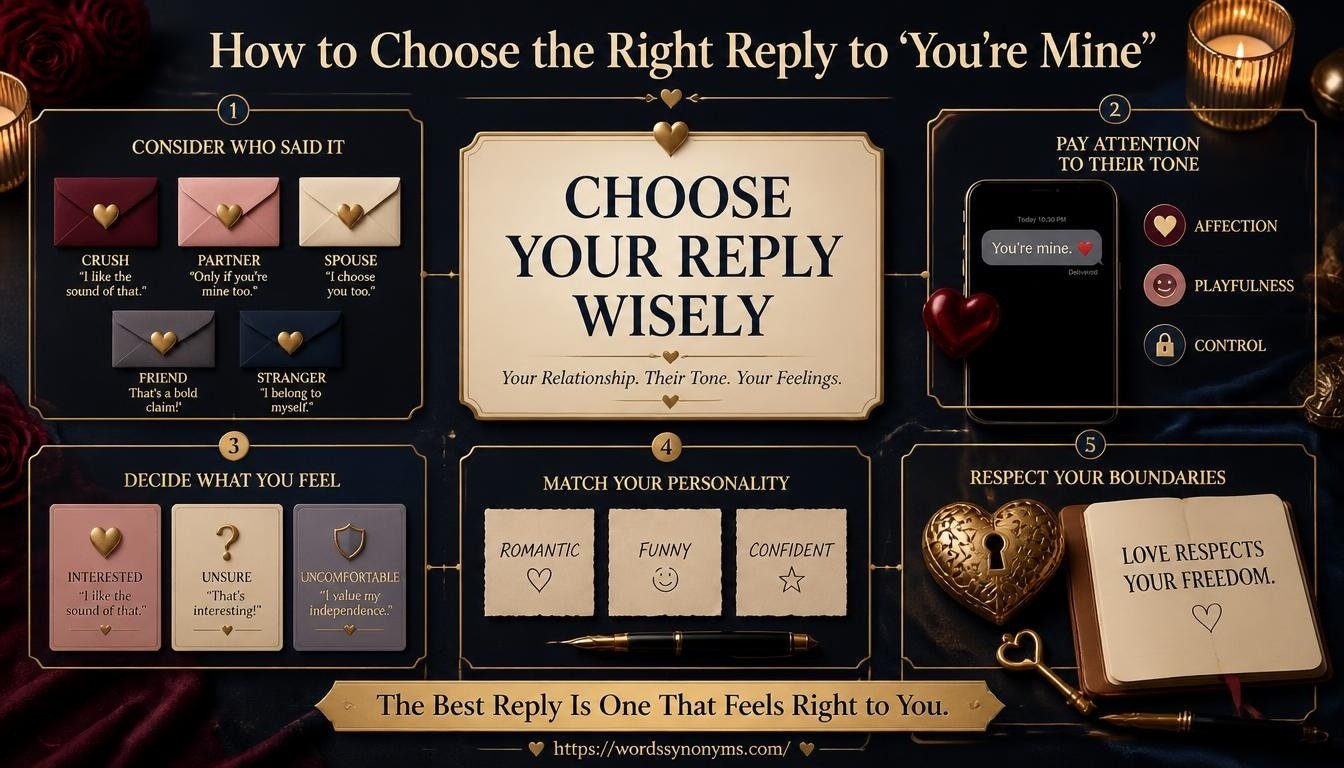
The best response depends on your relationship, personality, and emotional comfort. A sentence that sounds adorable from your partner might feel awkward coming from someone you barely know.
Before responding, consider the situation instead of choosing the first clever comeback you remember.
Here are five things worth considering.
Consider Who Said It
Your relationship with the speaker changes how your response will sound.
For example, responding “You’ve got my heart” to your long-term partner might feel natural. Saying the same thing to someone you met yesterday could send an unintended message.
Consider these common situations:
| Who said it? | Suitable response |
| Your crush | I like the sound of that. |
| Your boyfriend | Only if you’re mine too. |
| Your girlfriend | You’ve got my heart. |
| Your spouse | I choose you too. |
| A playful friend | That’s a bold claim! |
| Someone you’re uncomfortable with | I belong to myself. |
Choose words that match the actual connection rather than the relationship you hope to have someday.
Pay Attention to Their Tone
Tone often reveals more than the sentence itself.
Someone might whisper “You’re mine” affectionately during a romantic moment. Another person might send it as a playful text with a laughing emoji.
However, the same phrase can sound uncomfortable when someone uses it during an argument or demands that you follow their instructions.
Pay attention to their behavior:
- Do they respect your decisions?
- Can you disagree without starting an argument?
- Do they trust you around other people?
- Do they respect your friendships and personal space?
- Can you express discomfort without facing punishment?
These details help you understand whether the statement comes from affection or unhealthy possessiveness.
Decide What You Actually Feel
Don’t choose a romantic response simply because someone expects one.
If you like the person, show interest naturally. If you’re unsure, choose something light that doesn’t promise more than you feel.
For example:
- Interested: “I like the sound of that.”
- Deeply attached: “You’ve got my heart.”
- Playful: “Are you sure you can handle me?”
- Unsure: “That’s an interesting statement!”
- Uncomfortable: “I prefer relationships built on mutual respect.”
Your response should represent your feelings honestly.
Match Your Personality
A naturally funny person might enjoy making jokes. Someone more romantic might prefer a heartfelt sentence.
You don’t need to copy somebody else’s flirting style. The most effective response often sounds like something you’d genuinely say.
If you’re shy, try a simple answer. If you’re confident, a playful challenge might feel more natural.
Don’t Ignore Uncomfortable Behavior
There’s an important difference between affectionate language and controlling conduct.
For example, a partner saying “You’re mine” during a sweet moment doesn’t automatically indicate a problem. However, demanding access to your phone, restricting friendships, or controlling your movements deserves attention.
A loving relationship respects personal freedom.
If possessive behavior becomes threatening or makes you feel unsafe, prioritize your safety and seek support from someone you trust.
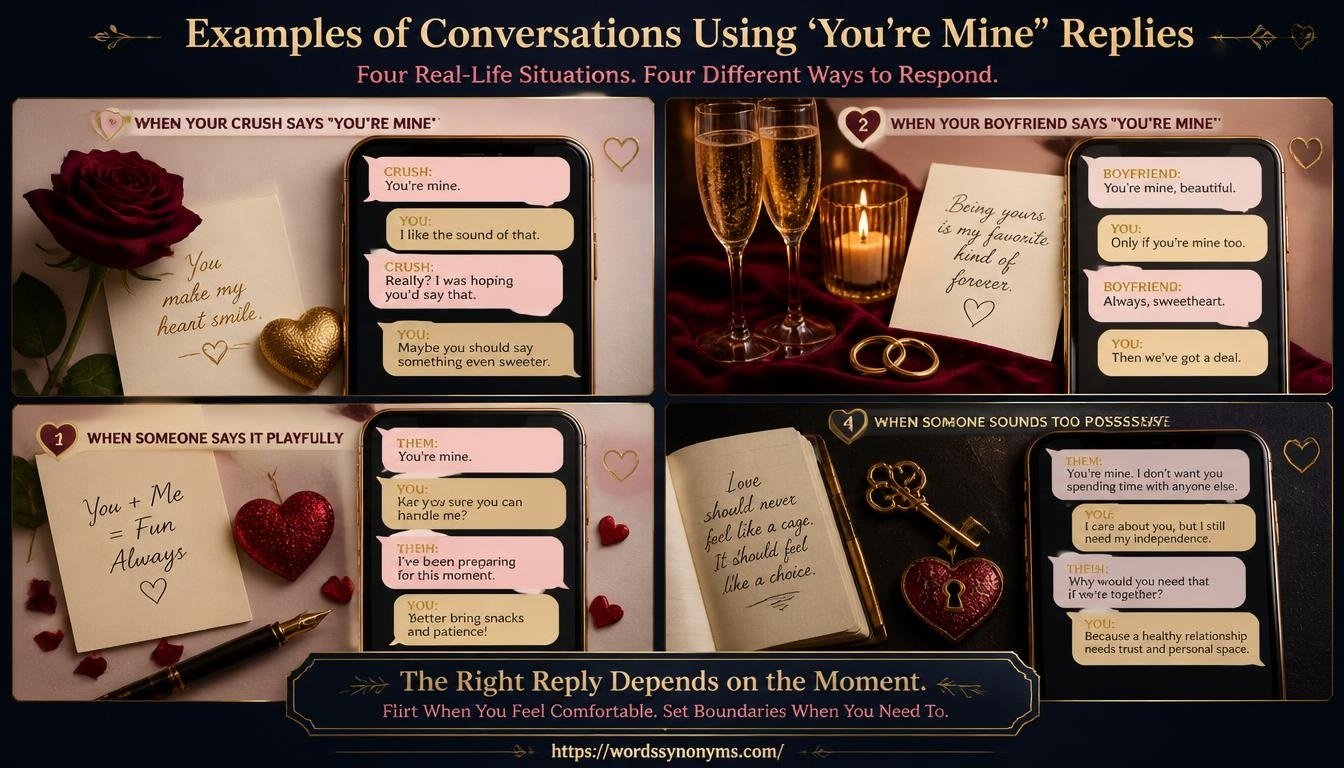
Examples of Conversations Using “You’re Mine” Replies
Sometimes the easiest way to understand a response is to see it in an actual conversation. These examples show how different replies can work in everyday situations.
When Your Crush Says “You’re Mine”
When your crush makes a romantic move, you might want to show interest without sounding too serious.
Example conversation:
Crush: You’re mine.
You: I like the sound of that.
Crush: Really? I was hoping you’d say that.
You: Maybe you should say something even sweeter.
This exchange keeps the mood light while giving your crush a clear sign that you’re interested.
When Your Boyfriend Says “You’re Mine”
In an established relationship, affectionate language often feels more natural. You can respond with warmth and reassurance.
Example conversation:
Boyfriend: You’re mine, beautiful.
You: Only if you’re mine too.
Boyfriend: Always, sweetheart.
You: Then we’ve got a deal.
The exchange emphasizes mutual affection rather than one-sided ownership.
When Someone Says “You’re Mine” Playfully
A little humor can turn a bold statement into a fun conversation.
Example conversation:
Them: You’re mine.
You: Are you sure you can handle me?
Them: I’ve been preparing for this moment.
You: Better bring snacks and patience!
This response works when both people enjoy teasing each other and understand the playful intention.
When Someone Sounds Too Possessive
Not every situation calls for flirting. Sometimes you need to communicate your boundaries clearly.
Example conversation:
Them: You’re mine. I don’t want you spending time with anyone else.
You: I care about you, but I still need my independence.
Them: Why would you need that if we’re together?
You: Because a healthy relationship needs trust and personal space.
This conversation demonstrates how to address possessiveness without pretending everything feels fine.
Read more: 27 Best Replies to “HAHAHA,” “LOL,” or “LMAO”
FAQs
1. What does “You’re mine” mean when someone says it romantically?
When someone says “You’re mine” romantically, they may be expressing love, affection, or emotional closeness. It can also be a playful way to show attraction and make you feel special.
2. How do you respond when someone says “You’re mine”?
You can respond with something sweet, flirty, or playful. For example, say, “Only if you’re mine too!” This keeps the conversation romantic and shows you’re enjoying the moment.
3. Is “You’re mine” a flirty or possessive statement?
It can be either, depending on the person’s tone and intentions. A playful tone may suggest affection, while demanding behavior could indicate possessiveness. Pay attention to how the person treats you.
4. What is a cute reply to “You’re mine”?
A cute reply could be, “Aww, and you’re my favorite person.” It’s simple, affectionate, and lets your partner know you appreciate their sweet words.
5. How do you reply to “You’re mine” over text?
You can keep things light with a message like, “Then I guess we’re stuck with each other!” A little humor makes texting more interesting and encourages your partner to continue flirting.
6. What should I say if my crush tells me “You’re mine”?
If you like your crush, try saying, “Is that your way of asking me to be yours?” It’s confident, playful, and gives them room to express their feelings.
7. Can I reply sarcastically to “You’re mine”?
Absolutely! If sarcasm matches your personality, try, “Did I miss the official announcement?” This response adds humor without making the conversation unnecessarily serious.
8. What does it mean when a boyfriend says “You’re mine”?
Your boyfriend might be expressing affection, attraction, or a desire for closeness. However, the meaning depends on your relationship and his behavior. Loving words should always come with mutual respect.
9. How do I respond if I feel uncomfortable hearing “You’re mine”?
You can politely say, “I care about you, but I don’t belong to anyone.” This communicates your feelings while establishing healthy boundaries. A caring partner should respect your comfort.
10. How can I make my reply to “You’re mine” more romantic?
Make your response personal rather than copying a generic pickup line. Mention something you love about your partner or return their affection with a thoughtful message. Genuine words often create a stronger romantic connection.
Conclusion
Finding the perfect reply to “You’re mine” depends on your feelings and the kind of relationship you share. Sometimes, a sweet response makes your partner smile, while a playful comeback adds a little excitement to the conversation. You can flirt, tease, express affection, or surprise them with something romantic. Don’t worry about finding the fanciest words. A simple, genuine reply can make the moment feel even more special.
However, remember that love should never feel like ownership. Enjoy the romantic attention when it makes you happy, but don’t ignore your comfort or personal boundaries. Choose words that reflect your personality and make you feel confident. Whether you prefer cute messages, cheeky comebacks, or heartfelt replies, let your response sound like you. After all, the best romantic moments happen when both people feel loved, valued, and respected.

Emily Carter has a strong interest in English grammar, sentence structure, and effective writing. She specializes in explaining complicated grammar concepts in simple language. Her articles help readers understand grammar rules, avoid common mistakes, and develop confidence in everyday and professional communication.