
This guide to 27 Best Replies to “Get Well Soon”: Professional Responses helps you thank people with warmth and confidence.
It sucks to get sick, and nobody wants to deal with the discomfort of getting sick. However, one bright side is receiving well wishes from nice people who genuinely care. Hearing from friends, reading thoughtful messages, and receiving kind words can make you feel better. It’s always nice to hear someone wish you a speedy recovery.
Finding the right words to answer them back can sometimes feel difficult. Whether your boss, close buddy, or every person you know reaches out, choose the perfect way to say thanks. A simple thank-you shows appreciation, gratitude, and kindness. It goes without saying that a thoughtful reply or response can make someone’s day. Let’s explore helpful options together so you know what to say back right now.
Quick Answer
The best replies to “Get well soon” include:
- Thank you so much!
- Thanks, I really appreciate it!
- Thank you for thinking of me!
- That’s so kind of you. Thank you!
- Your kind words mean a lot!
- Thanks for checking in on me!
- I’m feeling a little better. Thanks!
- Hopefully, I’ll be back on my feet soon!
- Aww, thank you! You’re so sweet!
- Your message made me smile!
If you want a simple, universally appropriate response, say “Thank you so much! I really appreciate your kind wishes.” It sounds warm, polite, and genuine without requiring further explanation.
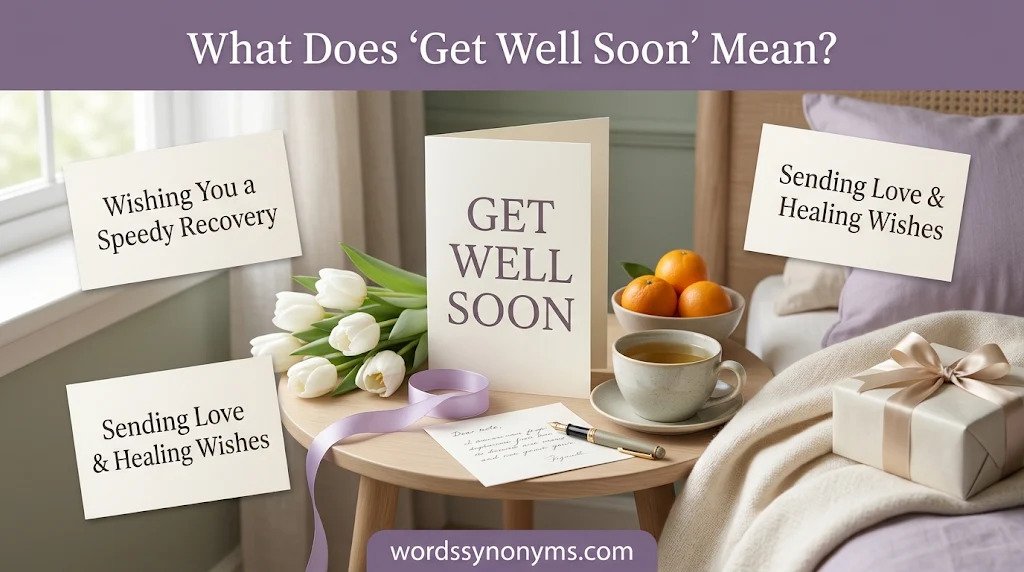
What Does “Get Well Soon” Mean?
“Get well soon” is a common expression people use when someone becomes sick, gets injured, or experiences a health problem. It communicates concern and expresses hope that the person will recover quickly.
For example, your coworker might send this message after learning you’re home with the flu. Similarly, a friend might say it after hearing about your recent surgery.
The phrase doesn’t require a complicated response. It’s simply a friendly way to acknowledge someone’s situation and offer encouragement.
People commonly use “Get well soon” in several situations:
- Illness: When someone catches a cold, flu, or another illness.
- Injury: When someone gets hurt during sports, an accident, or everyday activities.
- Surgery: When someone undergoes a medical procedure.
- Recovery: When someone is gradually returning to their usual routine.
- Personal difficulties: When someone experiences a challenging period and needs encouragement.
Although the expression sounds simple, it can carry genuine warmth. A thoughtful reply helps acknowledge that kindness.
How to Respond to “Get Well Soon”
Your response doesn’t need to be complicated. However, choosing the right words can make your message feel more personal.
Before replying, consider your relationship with the sender and the conversation’s tone.
Here are some helpful guidelines:
- Keep it simple: A genuine thank-you works well in most situations.
- Show appreciation: Let the person know you value their concern.
- Match their tone: Use friendly language with friends and professional wording with colleagues.
- Share an update if comfortable: You can mention that you’re feeling better without explaining everything.
- Use humor carefully: A lighthearted response works when the sender knows your personality.
- Respect your privacy: You don’t owe anyone personal medical details.
For example, replying to your best friend with “Thanks! I’m trying to survive on soup and naps” sounds natural. However, that same response might feel too casual in a workplace email.
The goal is simple: acknowledge the kindness without forcing a response that doesn’t sound like you.

27 Best Replies to “Get Well Soon”
Whether someone sends you a thoughtful text, leaves a comment on social media, or checks on you personally, these replies can help you respond naturally.
Each expression offers a slightly different tone. Choose one that matches your relationship and the situation.
Thank You So Much!
Sometimes, the simplest response says everything. “Thank you so much!” is a polite and friendly way to acknowledge someone’s good wishes.
It works in almost any situation, including conversations with friends, relatives, coworkers, and acquaintances.
You don’t need to add anything else when the message already feels complete. However, you can make it warmer by adding a personal detail.
Example conversation:
Friend: I heard you’re feeling sick. Get well soon!
You: Thank you so much! I really appreciate it.
This response feels natural because it acknowledges the sender’s kindness without making the conversation unnecessarily long.
Thanks, I Really Appreciate It!
When someone takes time to send you a thoughtful message, this response shows genuine gratitude.
“I really appreciate it” adds warmth to an ordinary thank-you. It tells the sender that their concern hasn’t gone unnoticed.
Use this expression when someone checks on you personally or sends an encouraging message during recovery.
Example conversation:
Coworker: Sorry to hear you’re unwell. Get well soon!
You: Thanks, I really appreciate it!
It’s friendly enough for everyday conversations while remaining appropriate for professional relationships.
Thank You for Thinking of Me!
This response feels especially thoughtful when someone remembers your situation and reaches out.
It acknowledges more than the recovery wish. It also recognizes the person’s effort to contact you.
Use it when an old friend, distant relative, or former coworker sends you an unexpected message.
Example conversation:
Friend: Just wanted to say get well soon. Take care of yourself!
You: Thank you for thinking of me! That’s really sweet of you.
This reply works particularly well when you haven’t spoken to someone recently.
That’s So Kind of You. Thank You!
When someone expresses genuine concern, this response lets them know their kindness matters.
The phrase sounds warm without becoming overly emotional. It also works well when you want to acknowledge someone politely.
You can use it with neighbors, acquaintances, relatives, or colleagues who offer thoughtful wishes.
Example conversation:
Neighbor: I heard you’ve been under the weather. Get well soon!
You: That’s so kind of you. Thank you!
It’s a lovely option when you want to sound appreciative and sincere.
Your Kind Words Mean a Lot!
Sometimes, a short message can brighten an otherwise difficult day.
This response communicates that the person’s encouragement has made a positive difference. It’s particularly suitable when you’re dealing with a longer recovery or challenging circumstances.
You can use it with close friends, family members, and people who genuinely support you.
Example conversation:
Family member: Sending you lots of love. Get well soon!
You: Your kind words mean a lot! Thank you for being so thoughtful.
It adds a personal touch without requiring you to discuss your health.
Thanks for Checking In on Me!
This expression works when someone does more than offer a quick recovery wish.
Perhaps they ask how you’re feeling, whether you need anything, or how your recovery is progressing. Their message shows that they’re interested in your well-being.
Acknowledge that effort with this thoughtful response.
Example conversation:
Friend: Hey! Just checking in. Hope you’re feeling better. Get well soon!
You: Thanks for checking in on me! I’m doing okay.
You can add a brief update if you feel comfortable sharing one.
I’m Feeling a Little Better. Thanks!
When you’re recovering, this response gives the sender a small update while acknowledging their concern.
It works especially well when someone asks about your condition rather than simply sending a general wish.
However, only use it when you’re genuinely feeling better. There’s no reason to pretend you’re recovering faster than expected.
Example conversation:
Coworker: Get well soon! Hope you’re doing better.
You: I’m feeling a little better. Thanks for asking!
This response naturally keeps the conversation going without sharing unnecessary details.
Hopefully, I’ll Be Back on My Feet Soon!
This expression communicates optimism about your recovery.
The phrase “back on my feet” is an idiom meaning that someone is healthy, active, or functioning normally again after illness or difficulty.
Use it when you’re looking forward to returning to your regular routine.
Example conversation:
Friend: Get well soon! We miss hanging out with you.
You: Thanks! Hopefully, I’ll be back on my feet soon.
It’s particularly useful when your illness has temporarily interrupted work, school, or social activities.
Aww, Thank You! You’re So Sweet!
When a close friend or family member sends you a caring message, a little affection can make your response feel more personal.
This expression sounds cheerful, warm, and appreciative. It’s especially suitable for casual text messages and friendly conversations.
Example conversation:
Friend: Get well soon! Sending you lots of hugs.
You: Aww, thank you! You’re so sweet!
It works best with people you’re comfortable expressing affection toward. For formal conversations, choose a more neutral response.
Read more: Being Drawn to Someone: Meaning, Signs and Why It Happens
Thank You! I Miss Seeing You Too!
Sometimes, a get-well message comes with an expression of missing your company.
Perhaps a friend says they miss your lunch breaks, weekend outings, or regular conversations. This response acknowledges both their recovery wishes and their desire to see you.
Example conversation:
Friend: Get well soon! It’s not the same without you around.
You: Thank you! I miss seeing you too. Hopefully, we’ll catch up soon!
This reply feels especially natural when illness has temporarily kept you away from your usual social activities.
Your Message Made Me Smile!
A thoughtful message can lift your mood, even when you’re not feeling your best.
This response tells the sender that their words brought you happiness. It’s a lovely way to acknowledge encouragement without focusing entirely on your illness.
Use it when someone sends a sweet, funny, or particularly thoughtful message.
Example conversation:
Friend: Sending positive thoughts your way. Get well soon!
You: Your message made me smile! Thank you so much.
It’s warm, personal, and appropriate for everyday conversations.
I’m Lucky to Have Someone Like You!
When someone consistently supports you, their message deserves a little extra appreciation.
This response communicates affection and gratitude. It works particularly well with close friends, siblings, partners, and family members.
You can also use it when someone offers practical help during your recovery.
Example conversation:
Sibling: Get well soon! Let me know if you need anything.
You: I’m lucky to have someone like you! Thank you for always being there.
It makes the conversation more meaningful by recognizing the relationship behind the message.
Thank You for Your Thoughtful Wishes!
If someone sends a considerate message, this response acknowledges their kindness in a polished way.
It’s slightly more formal than “Thanks so much!” but still sounds friendly.
You can use it in workplace conversations, group messages, or when responding to someone you don’t know particularly well.
Example conversation:
Manager: Wishing you a comfortable recovery. Get well soon.
You: Thank you for your thoughtful wishes. I appreciate your concern.
This response maintains a respectful tone without sounding distant.
I Appreciate Your Concern and Support!
This expression is useful when someone offers more than simple encouragement.
Perhaps a colleague helps cover your responsibilities or a relative checks on you throughout your recovery. Their support deserves acknowledgment.
The phrase sounds considerate and professional, making it suitable for more serious conversations.
Example conversation:
Colleague: Please take care and focus on getting better. Get well soon!
You: I appreciate your concern and support! Thank you.
It’s particularly effective when someone makes an effort to help you during a difficult period.
Thank You. I Hope to Be Back Soon!
When illness keeps you away from work, school, or regular activities, this response acknowledges the situation while expressing optimism.
It tells the other person that you appreciate their wishes and look forward to returning.
Example conversation:
Team member: Get well soon! We hope to see you back at work shortly.
You: Thank you! I hope to be back soon.
You don’t need to promise a specific return date unless you already know when you’ll be ready.
Thanks for Your Understanding. It Means a Lot!
This response works particularly well when someone accommodates your absence or gives you time to recover.
For example, your teacher might extend a deadline, or your manager might adjust your schedule while you’re sick.
Acknowledging their flexibility shows appreciation for their practical support.
Example conversation:
Manager: Don’t worry about work right now. Focus on recovering. Get well soon!
You: Thanks for your understanding. It means a lot!
This is a respectful way to recognize someone’s consideration.
Thanks! My Bed and I Are Becoming Best Friends!
A little humor can make a recovery conversation more enjoyable.
This playful response suggests that you’ve spent so much time resting that your bed has practically become your closest companion.
It’s suitable for friends, siblings, and people who appreciate lighthearted jokes.
Example conversation:
Friend: Get well soon! Hope you’re feeling better.
You: Thanks! My bed and I are becoming best friends!
The joke works because it pokes fun at the situation without making light of serious health concerns.
Thank You! I’m Trying to Get Rid of These Germs!
When you’re dealing with a common cold or similar illness, this response adds a little humor to your thank-you.
It sounds relaxed and playful without being overly dramatic.
Use it with friends or coworkers who understand your sense of humor.
Example conversation:
Friend: Get well soon! Don’t let that cold win.
You: Thank you! I’m trying to get rid of these germs!
It’s a fun way to keep an ordinary conversation cheerful.
Thanks! My Comeback Is Coming Soon!
This response communicates confidence and optimism about getting better.
It’s particularly suitable when you’re eager to return to sports, social activities, work, or school.
The phrase “my comeback is coming soon” gives your response an energetic and playful tone.
Example conversation:
Friend: Get well soon! We need you back on the team.
You: Thanks! My comeback is coming soon!
It’s best used when you’re comfortable joking about your recovery.
Thanks! I’ll Keep You Updated!
Sometimes, someone wants to know how you’re progressing rather than simply wishing you well.
This response acknowledges their concern while leaving room for future updates.
It’s especially useful when you’re recovering from surgery, dealing with a longer illness, or temporarily away from work.
Example conversation:
Colleague: Get well soon! Let me know how you’re doing.
You: Thanks! I’ll keep you updated.
You can use this response without committing to sharing every detail of your recovery.
Thank You! How Have You Been?
A thoughtful response can also bring the conversation back to the other person.
If someone you haven’t spoken with recently wishes you well, this is a natural opportunity to reconnect.
It acknowledges their kindness while showing interest in their life.
Example conversation:
Old friend: Hey! I heard you’ve been sick. Get well soon!
You: Thank you! That’s really kind. How have you been?
This response works particularly well when you want to restart a conversation with an old friend.
I Appreciate It! Let’s Catch Up When I’m Better!
When someone says they miss you or hopes to see you soon, this response offers a friendly invitation.
It communicates that you value the relationship and look forward to spending time together again.
Example conversation:
Friend: Get well soon! We should grab coffee when you’re feeling better.
You: I appreciate it! Let’s catch up when I’m better.
It’s a natural way to make future plans without committing to an exact date.
Thank You for Being There During This Difficult Time!
Some health situations involve more than a few days of rest.
A longer illness, serious injury, or challenging recovery can make emotional support especially meaningful.
This response recognizes someone who has stayed supportive throughout the experience.
Example conversation:
Family member: Get well soon. We’re all thinking about you.
You: Thank you for being there during this difficult time. I truly appreciate it.
Use this expression when someone has offered consistent encouragement or practical help.
Your Support Gives Me Strength. Thank You!
When someone encourages you during a difficult recovery, their support can feel especially meaningful.
This response acknowledges the emotional value of their words. It also communicates appreciation without requiring a detailed explanation.
It’s suitable for close friends, family members, and people who have supported you through a challenging situation.
Example conversation:
Friend: Stay strong. Wishing you a smooth recovery!
You: Your support gives me strength. Thank you!
This response feels sincere and heartfelt without sounding overly formal.
Thank You, Everyone, for Your Kind Wishes!
When several people send you get-well messages, replying individually can become difficult.
This expression provides a simple way to acknowledge everyone’s kindness at once.
It’s particularly useful for social media posts, group chats, and workplace messages.
Example conversation:
Friends and colleagues: Get well soon! Sending our best wishes.
You: Thank you, everyone, for your kind wishes! I really appreciate your support.
You can also add a short recovery update if you’d like.
I’m Grateful for All the Love and Support!
This response is ideal when several people have encouraged you during a difficult time.
It recognizes both the emotional support and practical kindness you’ve received.
Use it when responding to close friends, family members, or a group of people who have consistently checked on you.
Example conversation:
Family group: Get well soon! We’re all sending love and prayers.
You: I’m grateful for all the love and support! Thank you for everything.
It sounds warm and meaningful without requiring a separate message to everyone.
Thank You All! Your Messages Mean So Much!
When people take time to send individual messages, a collective thank-you can make everyone feel appreciated.
This response works especially well when you receive numerous wishes after an illness, injury, or hospital stay.
Example conversation:
Friends: Get well soon! We’re thinking of you.
You: Thank you all! Your messages mean so much. I appreciate every one of you.
It’s a simple way to recognize everyone’s kindness without repeating the same message dozens of times.

How to Choose the Best Reply to “Get Well Soon”
Not every situation calls for the same response. A message from your best friend might deserve humor, while a message from your manager needs a more professional tone.
The following considerations can help you choose naturally.
Consider Your Relationship With the Sender
Your relationship is one of the biggest factors when choosing a reply.
For example, a close friend might appreciate a playful response. However, a professional acquaintance usually expects something more neutral.
Here are some suitable options:
| Sender | Suggested reply |
| Best friend | Aww, thank you! You’re so sweet! |
| Family member | Your kind words mean a lot! |
| Coworker | Thanks, I really appreciate it! |
| Boss or manager | Thank you for your thoughtful wishes. |
| Acquaintance | That’s very kind of you. Thank you! |
| Group chat | Thank you, everyone, for your kind wishes! |
Matching your response to the relationship makes the conversation feel more natural.
Match the Sender’s Tone
Pay attention to how the other person communicates.
If someone sends a heartfelt message, respond with warmth. If they make a gentle joke, a playful response might work better.
For example:
- Heartfelt message: Your support means so much to me. Thank you!
- Casual message: Thanks! Hopefully, I’ll be back soon.
- Funny message: Thanks! I’m currently accepting soup deliveries.
- Professional message: Thank you for your kind wishes. I appreciate your consideration.
You don’t need to copy someone’s exact wording. Simply match the general mood of the conversation.
Share a Recovery Update Only When Comfortable
Some people naturally want to know how you’re feeling.
You can share a brief update without discussing your medical history or personal circumstances.
For example:
- “I’m doing a little better. Thanks for asking!”
- “Recovery is going well so far.”
- “I’m taking things one day at a time.”
- “Still resting, but I appreciate your message!”
- “I’m feeling much better. Thanks for checking in!”
If you don’t want to discuss your condition, a simple thank-you is enough.
Choose Wording That Fits the Communication Channel
The same response might sound different depending on where you send it.
A text message can be casual and brief. A workplace email usually needs clearer, more polished wording.
| Communication channel | Appropriate response |
| Text message | Thanks so much! I appreciate it. |
| Social media comment | Thank you for your kind wishes! |
| Group chat | Thanks, everyone! You’re all so thoughtful. |
| Workplace email | Thank you for your thoughtful message. |
| Face-to-face conversation | Thanks! That’s really kind of you. |
Choosing the right format helps your response sound appropriate rather than rehearsed.
Respect Your Personal Boundaries
You can appreciate someone’s concern without sharing private information.
For instance, you might not want to discuss your diagnosis, treatment, or recovery timeline. That’s completely fine.
Consider these simple responses:
- “Thank you! I’m taking some time to rest.”
- “I appreciate your concern. I’m doing okay.”
- “Thanks for checking in. I’ll share an update when I can.”
- “That’s very thoughtful of you. Thank you!”
A kind message doesn’t create an obligation to explain your personal circumstances.
Read more: “Be It” Meaning: Definition, Grammar, Usage and Examples
FAQs
1. What is the best reply to “Get Well Soon”?
A simple “Thank you! I really appreciate your kind wishes” works well. It sounds warm, natural, and sincere.
2. How do you reply to “Get Well Soon” from a friend?
You can say, “Thanks a lot! Your message made my day a little better.” It feels personal without sounding too formal.
3. How do you respond to “Get Well Soon” professionally?
Try saying, “Thank you for your thoughtful wishes. I truly appreciate your kindness.” This response suits coworkers, managers, and clients.
4. Should you reply to every “Get Well Soon” message?
Yes, when possible. A short thank-you shows that you noticed someone’s kindness. You don’t need to write a long response.
5. What should you say when your boss wishes you a speedy recovery?
You can respond with, “Thank you for your concern and kind wishes. I appreciate your understanding.” It keeps your reply respectful and professional.
6. How do you reply when someone says “Get Well Soon” in a text?
Keep it simple with, “Thank you! Hopefully, I’ll be back on my feet soon.” This sounds friendly and relaxed.
7. What is a sweet way to respond to “Get Well Soon”?
Say, “That’s so sweet of you! Thank you for thinking of me.” This works especially well with close friends and family.
8. How do you respond to “Get Well Soon” when you’re feeling really sick?
You could say, “Thank you! I’m having a rough time, but your kind words mean a lot.” It acknowledges their support without sharing too much.
9. How do you reply to someone who checks on you regularly?
Try, “Thanks for checking on me. It means a lot to know you’re thinking about me.” This recognizes their continued care.
10. Is it okay to reply with just “Thanks” to “Get Well Soon”?
Absolutely! A simple “Thanks” is perfectly acceptable. However, adding “I appreciate it” makes your response feel a little warmer.
Conclusion
Getting a “Get Well Soon” message might seem like a small thing, but it can brighten an otherwise difficult day. Whether the message comes from your boss, a close friend, a coworker, or a family member, taking a moment to respond shows that you value their kindness. You don’t need a fancy sentence or a long explanation. Sometimes, a simple thank-you is enough to make someone feel appreciated.
The best reply depends on your relationship with the person and the situation. Choose a friendly response for close friends and a more professional response for workplace conversations. If you’re unsure what to say, pick any of these 27 replies and make it sound like you. After all, genuine appreciation matters more than perfect wording.

Hamza Rehman is passionate about English vocabulary, synonyms, and word meanings. He enjoys exploring how words connect and how the right word can make communication clearer. Through WordsSynonyms, he creates easy-to-understand vocabulary guides, practical examples, and helpful word alternatives for students and writers.



[…] Read more: 27 Best Replies to “Get Well Soon”: Professional Responses […]
[…] Read more: 27 Best Replies to “Get Well Soon”: Professional Responses […]